Terroirs is one of those 'high brow' words that is loved by sommeliers, foodies and anyone interested in the artisan food/drink world (closely followed by 'Providence'). It can sound a little tiresome and pretentious but when you think about it, the concept is common sense.
The place where something grows has an effect on its taste. Ummm yeah, obviously. Try tasting the difference between a tomato grown in Crete or one farmed in the UK (can they call those sour water bombs 'tomatoes'?).
Terroirs encompasses all of the myriad of local factors into one convenient word for people like us to be more efficient with language but it is nothing fancy. The soil, weather, climate, microclimate, surrounding plants, aspect and seasons of a particular place are clearly integral to anything growing naturally there.
In tea, terroirs is always expressed in the leaf but none more so in my opinion than in Raw PuErh tea. Because this tea is usually picked from older and semi-wild trees, the expression of terroirs is more pronounced than younger, garden tea. This is why every mountain village area in Yunnan has its own reputation (right or wrong) and why PuErh heads can spend a lifetime exploring this one province in China.
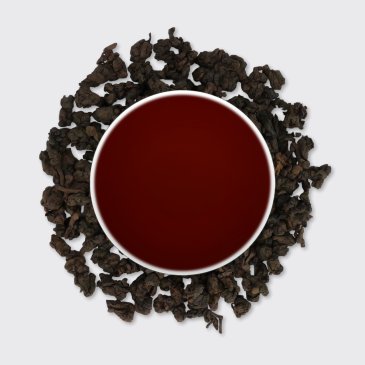
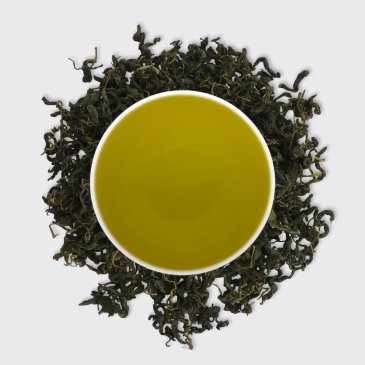
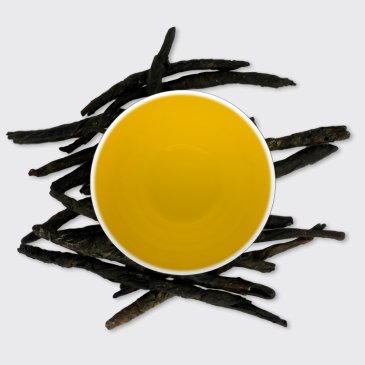
In this video we try three PuErh's from different villages on the same mountain rand in Yunnan to try to discern the differences that terroirs has on flavour.
--------
Purchase these limited edition teas:
Cone Bandit Gushu
Bloom Buster Gushu
Pip Killer Gushu